Fire protection companies occupy a unique corner of the service industry. Their work is both highly regulated and directly tied to the safety of people and property, which makes trust and authority critical. Yet most business still comes via phone calls or web forms, triggered at moments of urgent need or during compliance-driven purchasing cycles. In this landscape, search engine optimization (SEO) is not just a marketing tool - it shapes whether your company appears as a credible option at the very moment someone needs you most.
The Search Behavior Behind Fire Protection Service Leads
People rarely browse for fire sprinkler maintenance or alarm system upgrades for fun. Instead, their searches tend to reflect either immediate needs ("fire alarm company near me," "sprinkler inspection required by code") or planned projects ("commercial fire system installation bids"). Understanding this intent drives everything in your local and national SEO approach.

One fire protection contractor I worked with noticed a spike in website traffic every winter, right after insurance companies sent out annual compliance reminders. Queries like "fire extinguisher recharge service" or "NFPA 25 inspection" surged for about two months, then tapered off. Being visible during that window meant winning contracts that often renewed for years. Conversely, visibility in emergencies - when someone searches "fire alarm won’t stop beeping 24/7 service" at 2:00 AM - can mean the difference between landing a new client or losing them to a competitor who simply ranks higher.
Local SEO: Competing for Urgency and Trust
Most fire protection work is inherently local. Sprinkler repairs, annual inspections, or emergency response require technicians nearby, familiar with local codes and able to show up fast. Google knows this, so its search results emphasize proximity and relevance. That creates fierce competition in city- or region-specific searches.
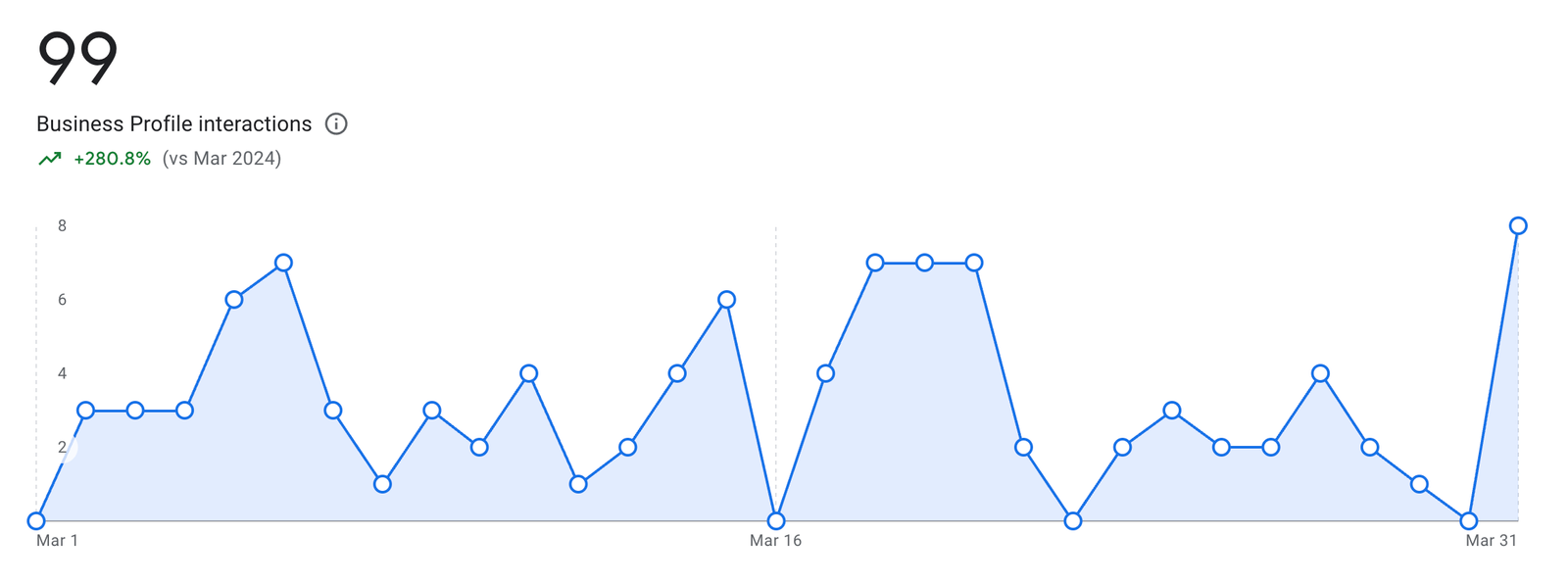
NAP Consistency and Google Business Profile
Nothing tanks local rankings faster than inconsistent business information online. Your Name, Address, and Phone Number (NAP) must match across every citation - from your own website to directories like Yelp, Yellow Pages, Angi, and especially your Google Business Profile (formerly Google My Business). Small differences such as using "St." versus "Street" or swapping out an old phone number can confuse Google's algorithms enough to drop your listing from the map pack.
One company I audited had three different addresses floating around online due to an old branch closing. They lost nearly half their inbound calls over six months before noticing the issue. Once we cleaned up their citations, their map rankings rebounded within weeks.
Service Area Pages Done Right
Many fire protection firms serve multiple nearby cities but operate from one main office. Google’s guidelines discourage generic “city name” landing pages stuffed with keywords. Instead, each location or service area page should offer genuinely helpful content: details about response times for that area, relevant testimonials from local clients, photos of jobs completed there, and evidence you understand local codes (for example, referencing specific fire marshal requirements). Over time, these pages can individually rank in each city you target.
Reviews: The Digital Equivalent of Referrals
In regulated industries like fire protection, reviews are more than reputation management - they influence how Google ranks you locally. A steady flow of positive reviews mentioning specific services (like “annual fire sprinkler inspection” or “emergency fire alarm repair”) signals expertise and reliability.
It’s worth noting that reviews mentioning speed (“showed up within an hour”) or professionalism (“walked me through my code requirements”) tend to convert better than vague praise. After a job, sending a polite follow-up text or email with a direct review link makes it easier for clients to leave feedback while their experience is fresh.
The Map Pack Versus Organic Results
For urgent queries (“fire alarm company near me”), the Google map pack dominates clicks. But some clients - especially facility managers or commercial buyers - scroll down to organic results looking for deeper information or more established providers.
Strong technical content on your site (“Fire Sprinkler Inspection Checklist: What Every Facility Manager Should Know”) can attract these decision-makers, building trust before you ever speak with them.
National SEO: Scaling Visibility Beyond Your Region
Some fire protection companies operate regionally or nationally, serving multi-location businesses or bidding on large projects across state lines. Here, the optimization game shifts from pure locality to demonstrating depth of expertise, broad capabilities, and compliance with national standards such as NFPA codes.
Authority Content that Goes Beyond Basics
National clients want specialists who understand complex systems, not just basic inspection checklists. Long-form resources like “2024 NFPA Code Changes Explained,” “Comparing Wet vs Dry Sprinkler Systems for Warehouses,” or “How to Prepare for a Fire Marshal Audit” attract backlinks from facility management blogs, property management associations, or even trade publications.
I’ve seen technical articles double as sales collateral during RFP processes - prospects reference your guides as proof you’re not just a vendor but an expert partner.
Structured Data and Rich Snippets
Google uses structured data markup (Schema.org) to understand your business better. Adding “LocalBusiness” schema helps with map rankings; using “Service” schema for individual offerings (like “Fire Extinguisher Recharge” or “Fire Alarm Installation”) can earn you rich snippets in national searches.
For example, one multi-state provider I advised started using FAQ schema on their “Sprinkler System Installation” page. Within three months, their site began appearing in “People also ask” boxes for high-value queries like “How much does commercial fire sprinkler installation cost?”
Industry Directories and Backlink Building
While local citations matter for map pack rankings, national SEO depends on quality backlinks from relevant sites. Getting listed on trade association directories (such as NFPA boston seo partners), industry blogs, B2B directories like ThomasNet, or facility management portals signals authority far beyond your zip code.
Collaborating on webinars, co-authoring whitepapers with manufacturers, or contributing code compliance updates to association newsletters earns backlinks that generic directories cannot provide.
Technical SEO: The Foundation Few Notice Until it Breaks
Many fire protection websites lag behind on technical basics: slow load times due to oversized images of past projects, broken certificate download links, or poorly formatted mobile pages that frustrate busy property managers searching on-site.
Mobile Usability Is Not Optional
Roughly 60% of all service-based searches now come from mobile devices. If your site’s contact forms are hard to fill out on a phone, you’ll lose leads instantly. Responsive design is only part of the battle; test your actual request-a-quote flow on several devices.
A common pitfall involves PDF downloads for compliance certificates or inspection reports that don’t render properly on mobile browsers. Embedding HTML versions or offering mobile-friendly summaries prevents lost time and credibility.
Site Speed Matters More Than You Think
In an industry where seconds count during emergencies, even subconscious delays matter. If your homepage or contact page takes longer than three seconds to load on LTE cellular networks, you risk being bypassed.
Optimizing images (compressing large photos without sacrificing clarity), streamlining code, and using reliable hosting all play a part here. When one fire protection firm I worked with reduced their load times from five seconds to under two on mobile, their form submission rate jumped by nearly 30%.
Keyword Nuances: Speaking Both Client and Compliance Language
Unlike industries chasing trend-driven keywords (think e-commerce SEO or Medspa SEO), fire protection demands specificity rooted in regulation and technical jargon.
Commercial Versus Residential Focus
Some firms target residential clients (“smoke detector installation,” “home fire alarm systems”), while others focus exclusively on commercial or industrial projects (“FM-200 system install,” “UL300 kitchen suppression retrofit”). Mixing these on the same pages confuses both users and algorithms.
Segment your keyword strategy by buyer type: create separate resource hubs for facility managers versus homeowners if you serve both markets.
Regulatory Search Terms
Many leads originate from compliance-driven searches: “NFPA 25 inspection deadline,” “OSHA fire suppression requirements,” “annual fire extinguisher certification.” Including these phrases naturally within your content signals credibility to both Google and human readers.
Avoiding Keyword Stuffing
Years ago, some companies could rank by repeating “fire sprinkler inspection Seattle” dozens of times per page. Today’s algorithms penalize such tactics harshly.
Write as if explaining to a thoughtful client: use synonyms (“sprinkler testing,” “system maintenance”), answer common questions in plain English, and reference real situations (“last week’s fire marshal gmb seo boston seocompany.boston walkthrough revealed several missed tags”).
Conversion Optimization: Turning Clicks Into Calls
Ranking well means little if visitors don’t become leads. The conversion path for fire protection services differs from quick e-commerce sales or appointment-driven businesses like wellness retreat centers or yoga studios.
Clear Calls-to-Action at Every Stage
Some prospects want immediate help; others are gathering information for later purchase cycles. Make it easy for both:
- Prominent phone numbers (with click-to-call on mobile) Simple “Request Inspection” forms Downloadable guides (“How to Prepare for Your Next Fire Marshal Visit”) capturing email addresses for follow-up
Trust Signals Matter
Certifications (NICET-certified technicians, UL-listed systems), industry memberships (NFPA), insurance coverage details, and authentic client logos all increase confidence. Photographs of actual technicians on job sites work better than stock images.
A potential edge case involves companies serving sensitive industries—such as hospitals or schools—where proof of background checks or OSHA training can tip the balance.
Tracking Results: What Really Matters
Vanity metrics like total site visits matter less than tracked phone calls, form submissions, and booked inspections tied directly to organic search channels.
Many providers now use unique call tracking numbers per traffic source (Google map pack versus paid ads versus organic) to pinpoint what’s working—and where money is wasted.
Regularly reviewing which pages drive actual conversions helps refine your content strategy over time. For example, if an FAQ about new code changes consistently leads to quote requests from facility managers, expand that topic further instead of chasing high-volume but low-intent keywords.
A Brief Checklist: Essential Steps for Fire Protection SEO Success
To bring it all together:
Audit your NAP across all directories; fix inconsistencies before anything else. Optimize Google Business Profile with accurate categories, photos of real projects, detailed services. Develop city- or region-specific pages featuring unique content relevant to each market. Invest in authoritative technical resources that earn backlinks naturally. Test every key action (call button, form) on mobile devices regularly; prioritize load speed improvements.Learning from Other Regulated Service Niches
Many lessons from fire protection SEO apply across industries where trust is paramount—think law firms (SEO for lawyers), medical clinics (SEO for doctors), funeral homes, accountants specializing in tax firms or wealth management clients—even architects bidding on public contracts.
Each niche faces its own blend of urgency vs planned procurement cycles, compliance-driven queries vs consumer-focused searches, but the fundamentals remain: speak directly to buyer intent at the moment it matters most; prove expertise through content; build trust through transparency; measure everything that drives revenue rather than empty clicks.
The difference between being found when someone needs you—or not—comes down to attention paid now rather than after opportunities have passed by unseen in the search results. In fire protection services especially, showing up first can mean safeguarding more than just revenue—it can mean playing your part in protecting lives and property when it counts most.
SEO Company Boston 24 School Street, Boston, MA 02108 +1 (413) 271-5058